
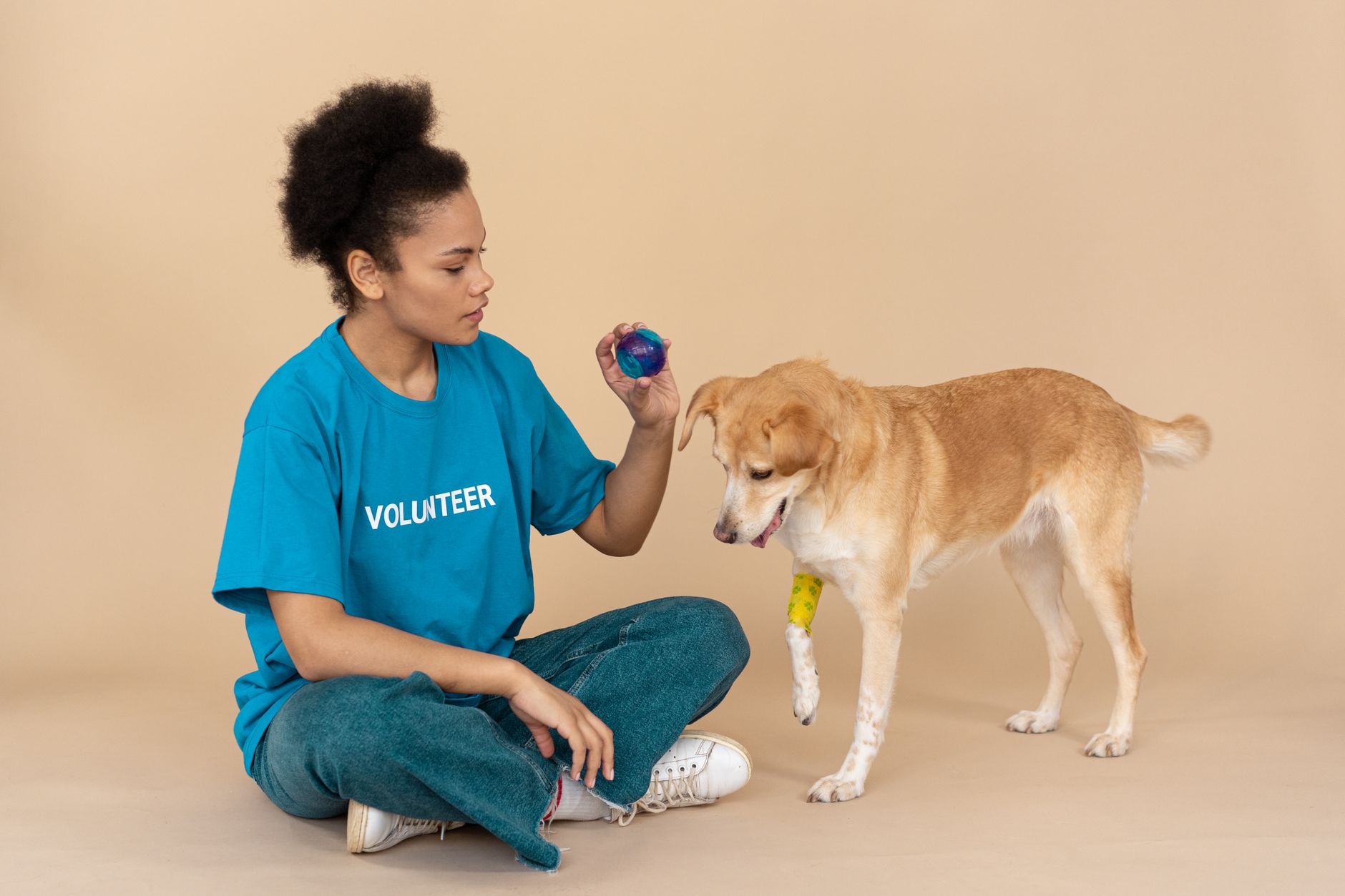
Cat Rescue Volunteer Roles UK: What Shelters Really Need
Cat rescue volunteer roles UK charities advertise stretch far beyond scooping litter trays, and the shortfall is rarely where newcomers assume. Ask any branch coordinator which cat rescue volunteer roles UK shelters cannot fill, and the answer is usually transport drivers, home-visit assessors and someone willing to keep the microchip database tidy. Well over 100,000 cats pass through British rescue each year via a patchwork of national bodies and single-room independents run from someone’s kitchen. That patchwork means the work available near you depends less on national policy than on whichever local trustee happens to be short-handed this month. This guide sets out the actual roles, the hours they demand, the money you may spend, and the transferable skills that make an application stand out from the pile. None of it requires prior animal experience, and several routes need no cat contact at all.
The Six Cat Rescue Volunteer Roles UK Shelters Recruit Most
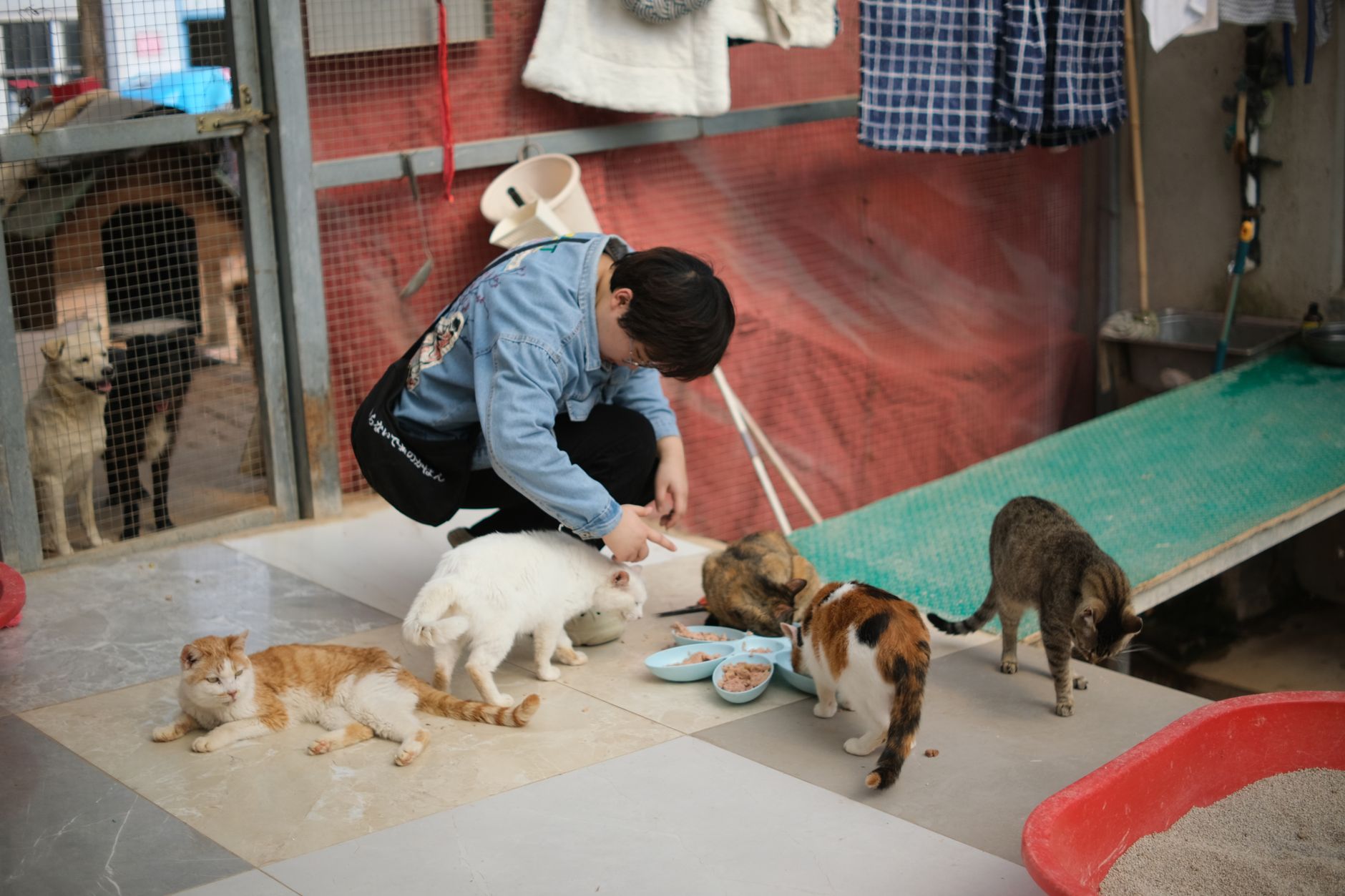
Fostering dominates the list. Roughly seven in ten independent rescues hold no premises whatsoever, so every cat sits in a spare room, a converted garage or a purpose-built outdoor pen. Fosterers take mothers with litters, post-operative cases and long-stay seniors, usually for four to twelve weeks per placement.
Transport comes second. Vet runs, cross-county relays and airport collections all depend on drivers with a clean licence and a boot big enough for two carriers. Most rescues reimburse fuel between 30p and 45p per mile, though smaller groups cap monthly claims at around £40 to protect a fragile budget.
Home-visit assessors decide whether an adopter’s flat has safe windows and a sensible road outside. Cattery shift workers handle feeding, cleaning and enrichment on rotas of three to four hours. Trapping teams manage feral colonies under trap-neuter-return schemes, and admin volunteers process paperwork, chase microchip transfers and answer a relentless inbox.
Fostering Versus Shift Work
Fostering suits people at home during weekdays who can absorb noise, mess and occasional heartbreak. Shift work suits anyone wanting a fixed Saturday slot with a clear finish time. Neither demands veterinary training, though both require you to spot the difference between a sulking cat and a genuinely sick one.
Ask before committing whether the rescue funds all veterinary costs, supplies litter and food, and provides a named mentor. Groups that answer vaguely tend to be the ones that later leave a fosterer £200 out of pocket after an emergency consultation at eleven o’clock at night.
Hours, Costs and What the Commitment Really Looks Like
Every rescue asks for a minimum commitment, usually six months, because training a home-visit assessor costs the charity more than that assessor delivers in their first eight weeks. Weekly hours vary sharply by role, and the honest figures rarely appear anywhere on a recruitment page.
| Role | Typical weekly hours | Likely personal cost | Minimum commitment |
|---|---|---|---|
| Fosterer | 7–10 | £0–£25 per month | 6 months |
| Cattery shift worker | 3–4 | Travel only | 3 months |
| Transport driver | 2–5 | Fuel, usually reimbursed | Flexible |
| Home-visit assessor | 2–3 | Fuel plus phone use | 6 months |
| Fundraising and events | 4–6, seasonal | £0 | Per event |
| Admin and social media | 2–4 | £0 | 3 months |
Hidden costs catch people out. A fosterer supplying their own litter spends roughly £12 monthly on wood pellets, another £30 on wet food when the rescue’s stock runs dry, and occasionally £60 replacing a shredded sofa arm. Reputable groups reimburse all of it; ask for that policy in writing before your first placement.
Insurance matters equally. Charities registered with the Charity Commission should carry public liability cover that explicitly extends to volunteers, plus employer’s liability where applicable. If a rescue cannot name its insurer or produce a certificate on request, treat that as a warning sign rather than a charming quirk of a small operation.
Transferable Skills From Other Community Volunteering
Shelter coordinators consistently rate applicants who have already volunteered elsewhere. If you know how to volunteer at food bank sessions, you already understand rota discipline, stock rotation and dealing calmly with someone in visible crisis. Those three habits transfer directly to a Saturday intake desk without any retraining.
Safeguarding and confidentiality skills matter more than most applicants expect. Anyone who has worked through the uk food bank referral process knows why you never discuss a client’s circumstances outside the room. Rescue work demands identical discretion when a cat arrives from a hoarding case, an eviction or a sudden bereavement.
Governance experience is gold. Understanding how to become a school governor, or having learned the parish council meeting rules UK parishes must follow, prepares you for trustee work, conflict-of-interest declarations and minutes that survive scrutiny. Small rescues collapse far more often from weak governance than from any shortage of goodwill.
Skills That Cross Over Directly
The overlap is specific rather than vague. Volunteers arriving from other community projects typically bring at least three of the following capabilities, and coordinators will ask about them at interview:
- Rota reliability — turning up for a booked slot every time, without a chasing text on the morning.
- Plain-language explanation — describing a community fridge, how it works and who may use it, is the same skill an adoption interview needs.
- Boundary-setting — declining an unsuitable applicant politely, exactly as you would refuse an out-of-date donation.
- Basic risk assessment — the paperwork behind a neighbourhood watch scheme, how to start one safely and log incidents, mirrors shelter reporting.
- Fundraising literacy — Gift Aid declarations, small society lottery registration and float handling at a cash stall.
Fundraising, Shops and Events That Keep Rescues Solvent
Many independent rescues operate on annual donations below £5,000, which buys perhaps forty neutering vouchers. Retail volunteering closes the gap through sorting, steaming and pricing stock. The best charity shops in London clear several thousand pounds weekly from one unit, and cat charities with retail income are the ones that survive a bad winter.
Donation processing is a genuine skill rather than a filler task. Volunteers handling donating clothes to charity uk shops receive must sort by season, reject fire-damaged or heavily worn goods, and recognise the difference between a £3 rail item and a £45 label worth listing online. A trained sorter measurably lifts takings.
Events need a different temperament altogether. Knowing how to run a village fete — pitching stalls, licensing a tombola, staffing a gate and counting a float — translates neatly into a rescue open day. Budget for the village hall hire cost UK groups face, commonly £8 to £25 per hour plus a refundable deposit.
Setting Up Your Own Cat Rescue or Branch
Some volunteers eventually want their own group. Learning how to set up a charity properly means choosing a structure — a CIO, an unincorporated association or a company limited by guarantee — appointing at least three unrelated trustees, and registering with the Charity Commission once annual income passes £5,000.
Premises decisions follow quickly. Outdoor pens cost roughly £900 to £2,500 each once installed and drained; a rented unit adds business rates and a lease liability. Most founders start with a foster network instead, which is why the cat rescue volunteer roles UK start-ups advertise are almost always fostering and transport before anything else.
Community goodwill decides longevity. Groups already running visible local projects — starting a community garden UK residents actually use, or a seasonal food collection point — recruit fosterers considerably faster than those posting adoption photographs alone. Local credibility converts into homes, and homes empty pens for the next intake.
How Do I Find Cat Rescue Volunteer Roles UK Charities Are Recruiting For?
Start local rather than national. Search the Charity Commission register for „cat” plus your county, then cross-check community Facebook groups, which is where small rescues genuinely post vacancies. National organisations advertise centrally, but their branches often need help the main website never lists, so email the branch coordinator directly. Veterinary practices and independent pet shops keep noticeboards carrying real local appeals. When applying, name the role you want and the hours you can guarantee — a message saying „I can drive to the vet on Tuesday and Thursday mornings” gets a reply far faster than „I love cats and want to help”. Expect a reference check and, for fostering or home visits, a short induction.
Is There an Age or Experience Requirement for Cat Rescue Volunteering?
Most rescues set a minimum age of 16 for supervised cattery shifts and 18 for fostering, home visits or any lone working, driven by insurance terms rather than preference. Under-16s can usually help at fundraising events alongside a parent or guardian. No prior animal experience is required for the majority of roles: rescues train you on handling, hygiene protocols and quarantine procedure during an induction that typically runs two to four hours. Fostering does require suitable space — a separate room with a closable door, sometimes no resident cats of your own, and written landlord permission if you rent. Drivers need a full licence held at least twelve months and business-use insurance.
What Does a Typical Cattery Shift Involve From Start to Finish?
A morning shift usually runs three to four hours. You arrive, read the handover board for medication notes and behavioural flags, then work the pens in a fixed order — healthy cats first, isolation cases last, so infection never travels backwards. Each pen gets soiled litter removed, bedding checked, water refreshed and food weighed into portions. You record what every cat eats, because appetite loss is the earliest reliable illness signal. Cleaning uses a rescue-approved disinfectant that is safe around cats, left for the stated contact time before rinsing. The final hour covers enrichment and socialisation: wand play, brushing, and sitting quietly with nervous cats so they present better to adopters. You finish by updating the board.
