
Dementia Friends Session How Run: A Practical UK Guide for Community Volunteers
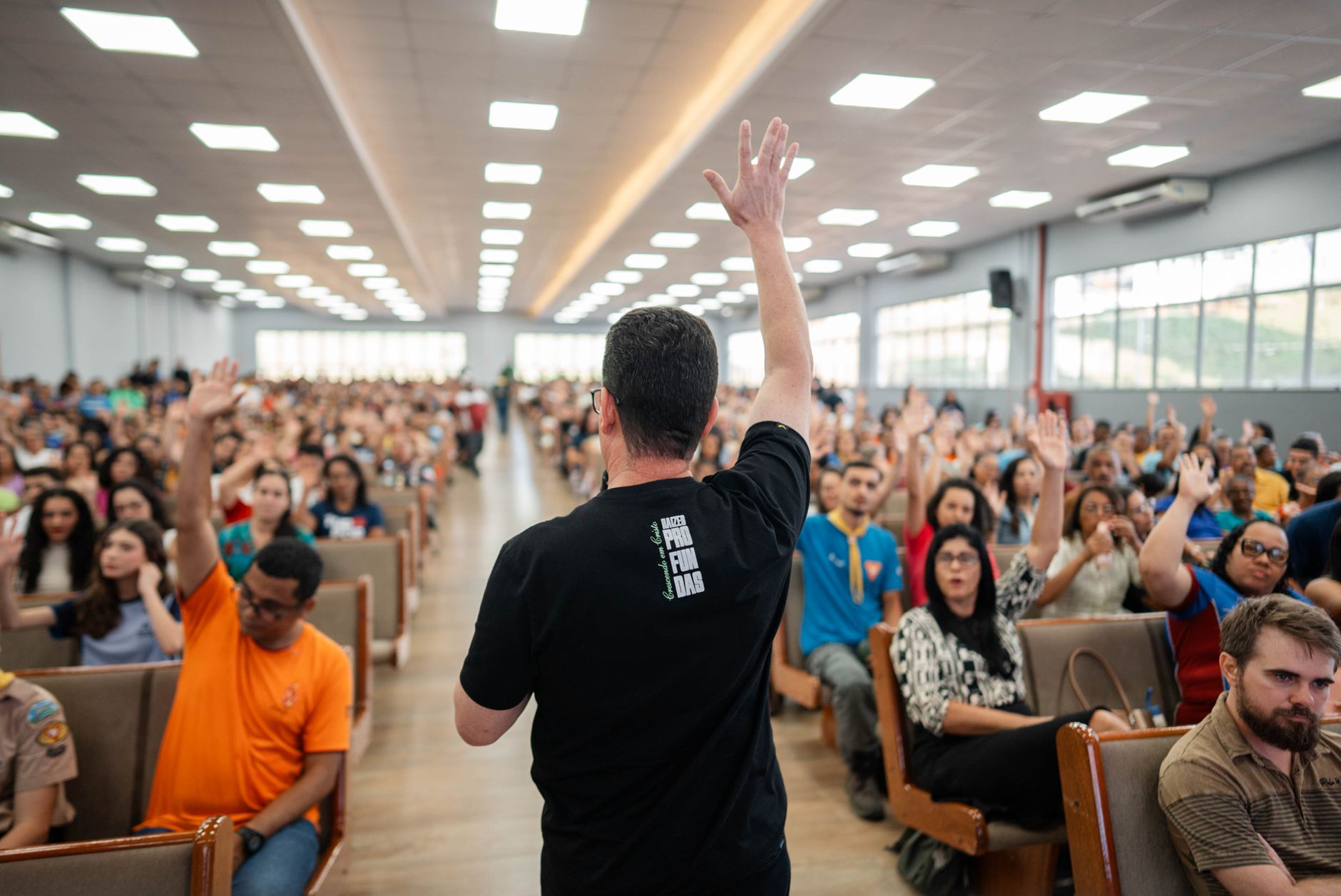
Anyone typing dementia friends session how run into a search bar is usually a volunteer holding a village hall booking form, a packet of biscuits and no script. The reassuring part of the dementia friends session how run question is that the format was designed for ordinary people rather than clinicians: a trained Champion, a flip chart, forty-five minutes and a room of twenty neighbours is the entire kit. Across the UK these sessions happen in libraries, church halls, football club function rooms and supermarket staff canteens, and the ones that land hardest are rarely the slickest. They are the ones where somebody says out loud that their mother stopped going to the corner shop because the card machine confused her. This guide covers the mechanics that actually decide whether it works: venue costs, agenda timings, recruitment and follow-up.
What Actually Happens in a Dementia Friends Session
A Dementia Friends Information Session is a short, structured awareness talk built around five key messages. It is not clinical training, not a diagnosis clinic and not a support group. One Champion speaks, the room discusses, and everybody leaves having written down a small commitment to do something differently in their own street or workplace.
Champions are volunteers who complete a free induction, usually delivered online in two to three hours, and receive a slide deck, facilitator notes and printed pledge cards. Nobody expects medical expertise from you. The real skill being asked for is chairing a conversation without letting one confident voice dominate for twenty minutes while everyone else studies the carpet.
Group size matters far more than venue quality. Twelve to twenty-five people allows genuine discussion; forty turns the session into a lecture and the pledge stage collapses into shuffling. If demand exceeds thirty names, run two sittings a fortnight apart rather than cramming everyone into one overheated hour with borrowed chairs.
The Five Key Messages
Every session anchors on the same five points, and repeating them almost verbatim is deliberate rather than lazy. They correct the assumptions that cause the most harm in shops, surgeries and bus queues, and they hand attendees plain language they can use with a neighbour the following morning.
- Dementia is caused by diseases of the brain, not by ordinary ageing.
- It is not only about memory: language, mood, perception and judgement change too.
- Many people live well with dementia for years after diagnosis.
- There is far more to a person than the diagnosis they carry.
- Small adjustments by people nearby make a disproportionate difference.
Booking a Venue and Costing the Session
Cost is where most first-time organisers stall, usually because they assume a room will be expensive. Anyone comparing village hall hire cost uk figures finds community rates sitting far below commercial ones, and plenty of hall committees waive the fee outright for a free awareness event that brings unfamiliar faces through the door.
| Venue type | Typical hourly rate | Practical notes |
|---|---|---|
| Village or parish hall | £8 to £25 | Kitchen access, parking, often a resident-rate discount |
| Church hall or annexe | £10 to £20 | Frequently free for charitable use, poor acoustics in tall rooms |
| Library meeting room | £0 to £15 | Booked months ahead, strict closing times, good signage |
| Community centre | £15 to £35 | Hearing loop and step-free access more likely |
| Care home lounge | Usually free | Residents and relatives attend, no travel barrier |
Add the extras before you promise anything. A caretaker call-out, heating in winter and a refreshments budget of roughly £15 to £30 for twenty people are the line items people forget. Printing forty pledge cards and a handful of large-print handouts costs a few pounds at any high street copy shop.
Check accessibility yourself instead of trusting the booking form. Step-free entry, a working accessible toilet, a lift if the room is upstairs and a car park within fifty metres decide who can realistically attend. A brilliant session in an inaccessible first-floor room excludes exactly the people it was written for.
Room Layout and Kit
Set chairs in a horseshoe, never rows, and keep the group within eight metres of your voice. Skip the projector if the room has glare; printed message cards work better. Matte paper beats glossy, patterned flooring disorientates some attendees, and a hearing loop switched on before arrival saves a stilted first ten minutes.
Building an Agenda That Holds the Room for 45 to 60 Minutes
Timing is the difference between a discussion and a monologue. Allow five minutes for arrivals and tea, five for introductions, fifteen for the five key messages, fifteen for open discussion, ten for pledges and five for close and signposting. Overrunning past sixty minutes loses the audience regardless of how well it is going.
Discussion is where the value sits, so seed it with local specifics rather than abstractions. Ask what happens when a regular customer forgets their PIN at the till, or when a member of the bowls club stops turning up. Two or three concrete local examples generate more insight than any statistic on a slide.
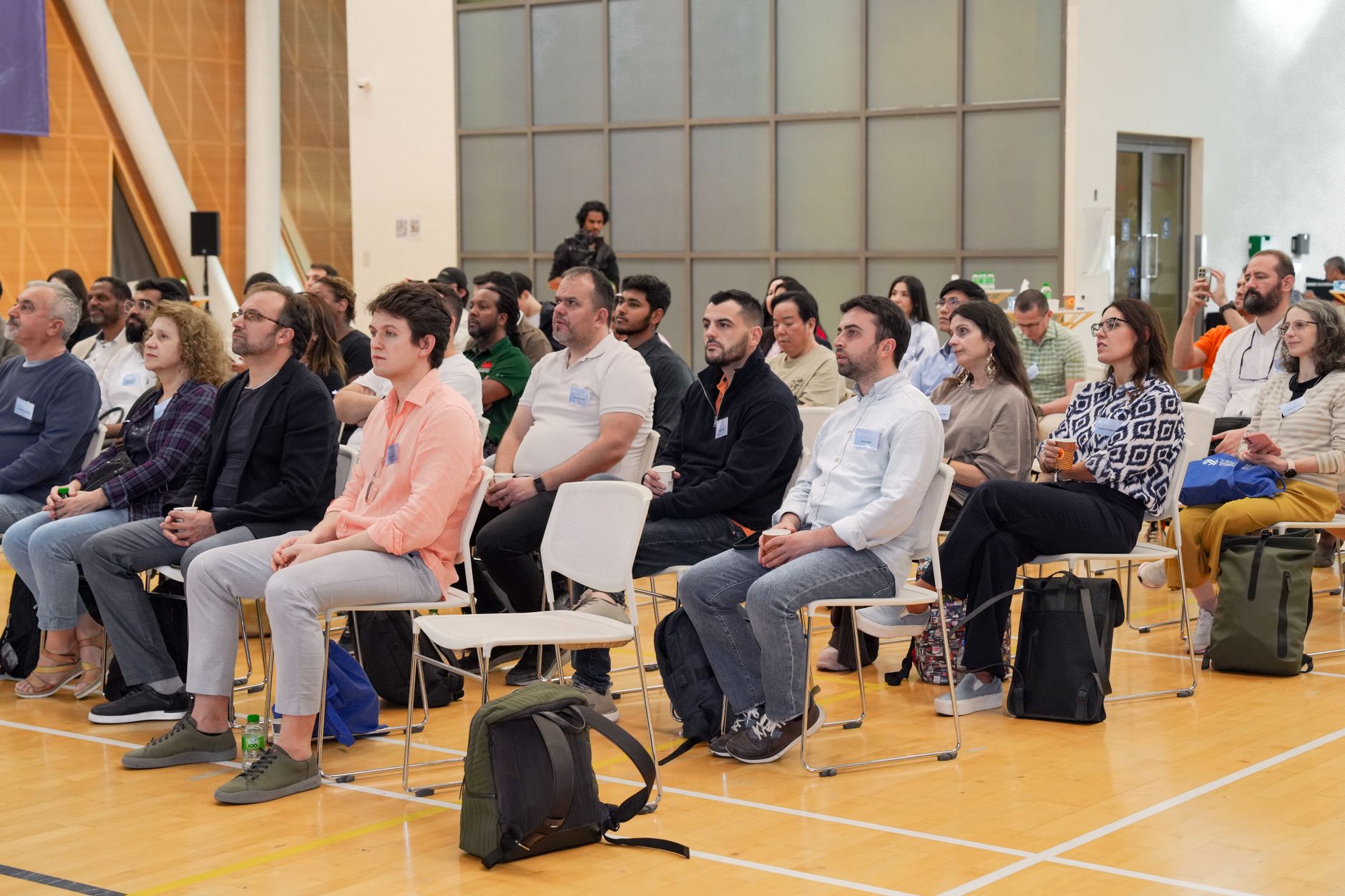
Close on pledges, written on the card, in the person’s own words, kept by them. Anyone still unsure about the dementia friends session how run sequence should remember this: the talk is scaffolding, the pledge is the product. Read three aloud with permission so the commitments feel collective rather than private.
Getting People Through the Door
Local governance is the fastest route to an audience. Request a slot on your council’s agenda, keeping in mind that parish council meeting rules uk generally limit public participation to a few minutes per speaker. The same volunteer committee that knows how to run a village fete can usually offer you a stall or a slot in their newsletter.
Retail and school staff rooms are receptive because they meet confused customers weekly. Teams who already debate donating clothes to charity uk or argue about the best charity shops in london recognise the scenarios immediately. Parents researching how to become a school governor are another reliable group, since governing boards value safeguarding and community awareness experience.
Street-level networks convert well. The residents who ask about a neighbourhood watch scheme how to start already exchange numbers and notice when a curtain stays shut. Offering a dementia friends session how run alongside their next meeting fills a room in a fortnight without a single printed poster.
Turning Pledges Into Local Action
Pledges die quietly unless you attach them to something already running. Attendees who ask how to volunteer at food bank shifts can be pointed at a specific warehouse rota that week. Explaining the uk food bank referral process, and that vouchers usually come via a GP, school or support worker, prevents well-meant but misdirected offers of help.
Food projects double as follow-up venues. Describe community fridge how it works in one clear sentence: surplus stock from local shops, free to anyone, no referral, no questions. That combination of no paperwork and predictable opening hours suits people with early dementia who find formal appointments and eligibility checks genuinely exhausting.
Longer-term, some groups outgrow one-off talks. Volunteers weighing starting a community garden uk as a dementia-friendly space, or researching how to set up a charity properly, need constitutions, trustees and a bank account rather than enthusiasm alone. A dementia friends session how run well produces two or three people willing to do exactly that unglamorous work.
How long does it take to prepare and run a first session?
Budget around eight to ten hours in total for a first session. Champion induction takes two to three hours online, venue booking and confirmation another hour of calls and emails, promotion roughly two hours across newsletters, noticeboards and messaging groups, and printing or materials preparation an hour. The session itself runs forty-five to sixty minutes, with fifteen minutes of setup and fifteen of packing down and chatting afterwards. Subsequent sessions drop to about three hours of preparation because your slides, pledge cards, venue contact and mailing list already exist. Most experienced Champions settle into one session every six to eight weeks, which is sustainable alongside a job.
Is there any cost to attendees or to the organiser?
Attendees should never pay. The session is free by design, and charging undermines the point of reaching people who would not otherwise engage with dementia at all. Organiser costs are modest and often fully avoidable: hall hire from nothing to about £25 an hour, refreshments of £15 to £30 for a group of twenty, and a few pounds for printed pledge cards and large-print handouts. Many halls, libraries and church committees waive fees for free community health events, especially if you offer to mention them in your write-up. If a small budget is needed, town councils, supermarket community funds and local Lions or Rotary groups routinely award grants of £50 to £250 for exactly this kind of activity.
What should I do if someone becomes upset during the session?
Expect it, plan for it, and treat it as a sign the session is working rather than failing. Someone in almost every room is caring for a parent or partner right now. Pause, acknowledge what was said without probing, and offer a genuine choice: continue, step outside for a moment, or speak with you afterwards. Never press for detail in front of the group. Keep two things ready — the phone number of a national dementia support line and the name of your nearest carers’ support group with its meeting times — so the offer of help is concrete rather than vague. Ask a co-organiser to sit near the door and quietly accompany anyone who leaves, then resume the agenda calmly.
