
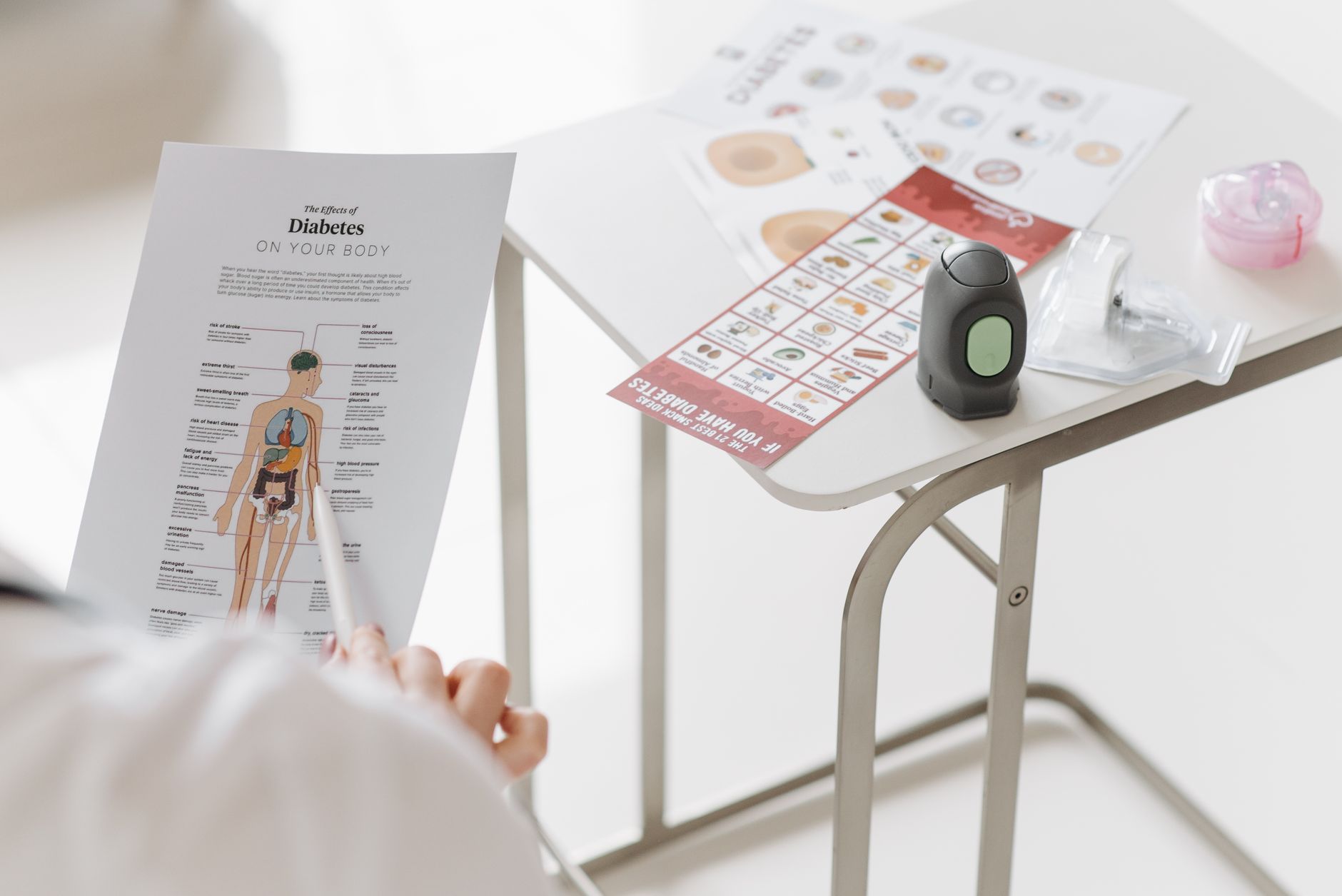
Diabetes Education Programmes: A Practical UK Guide
Diabetes education programmes give people with type 1 and type 2 diabetes a structured way to learn glucose control, carbohydrate counting, medication timing and foot care, taught by specialist nurses and dietitians. In the UK, diabetes education programmes are commissioned by NHS trusts and integrated care boards, so most people pay nothing beyond travel, while private equivalents run from roughly £150 to £600 for a short course. Referral usually comes from a GP practice, a practice nurse or a hospital diabetes team, and waiting times vary from two weeks in well-resourced areas to six months where demand outstrips capacity. Local community noticeboards carry these course dates alongside everything else village life produces, from allotment vacancies to a french bulldog puppy for sale, which is exactly why so many people miss the listing that matters most to their health.
What Structured Diabetes Courses Actually Teach
Most UK courses follow a recognised curriculum such as DESMOND for type 2 or DAFNE for type 1, each quality assured against national criteria. Sessions cover how carbohydrate raises blood glucose, how insulin or metformin acts across the day, and how illness, alcohol and shift work distort otherwise predictable readings.
Practical skill matters more than theory. You will practise reading a continuous glucose monitor trace, adjusting a rapid-acting dose for a 60-gram carbohydrate meal, and spotting the early numbness that signals neuropathy. Group sessions run three to seven hours in total, split across one day or several weekly evenings.
Psychological content has expanded considerably. Courses now address diabetes distress, burnout from constant self-monitoring, and the conversations needed with employers about breaks for testing. Peer discussion often delivers the sharpest insight, because someone in the room has already solved the problem you brought through the door.
Core modules you can expect
Expect four consistent blocks: nutrition and portion estimation, medication and hypoglycaemia management, activity and weight, and complication screening including retinal photography and annual foot checks. Some providers add a fifth block on technology, covering flash sensors, insulin pumps and the apps that pull those readings into a single dashboard.
Who Qualifies and How UK Referral Works
Anyone newly diagnosed with type 2 diabetes should be offered structured education within twelve months, and type 1 patients within six to twelve months of diagnosis. In practice, uptake sits far below that ambition, with fewer than one in five referred people completing a full course.
Self-referral is increasingly possible. Several integrated care boards accept direct online booking, requiring only your NHS number and a recent HbA1c result. If your practice says no route exists, ask the diabetes specialist nurse directly, since they hold separate teaching slots that GP receptionists rarely see.
Carers and family members are usually welcome, and bringing the person who cooks your evening meal changes outcomes more than any handout. Interpreters, hearing loops and step-free access are standard requirements, though rural venues sometimes fall short, so confirm the practical details at the point of booking.
Costs, Waiting Times and Formats Compared
NHS structured education is free at the point of delivery, funded through your integrated care board. Private options exist for people who want faster access or one-to-one attention, and prices stay reasonably consistent across England, Wales and Scotland. The table below sets out the realistic range you will encounter.
| Option | Typical UK cost | Time commitment |
|---|---|---|
| NHS group course (DESMOND, DAFNE) | Free | 6 to 7 hours |
| NHS digital module | Free | Self-paced, 8 to 12 weeks |
| Private dietitian-led course | £150 to £400 | Four sessions |
| One-to-one private consultation | £70 to £120 per hour | As required |
| Workplace wellbeing scheme | Employer funded | 2 to 3 hours |
Value depends entirely on what you need. A newly diagnosed adult with an HbA1c of 62 mmol/mol usually gains most from a free group course, while someone wrestling with pump settings after five years may reasonably justify £120 for a specialist hour of individual troubleshooting.
Travel is the hidden figure. A rural attendee driving 30 miles each way to a six-hour session spends roughly £18 in fuel plus a day of annual leave, which is why diabetes education programmes delivered in village halls consistently outperform hospital-based equivalents on attendance and completion.
Digital, In-Person and Hybrid Delivery
Online platforms offer self-paced modules, quizzes and moderated forums, available at 11pm when a reading confuses you and the surgery is shut. Completion rates hover near 40 per cent, lower than face-to-face courses, although total reach across a population is considerably higher for the same budget.
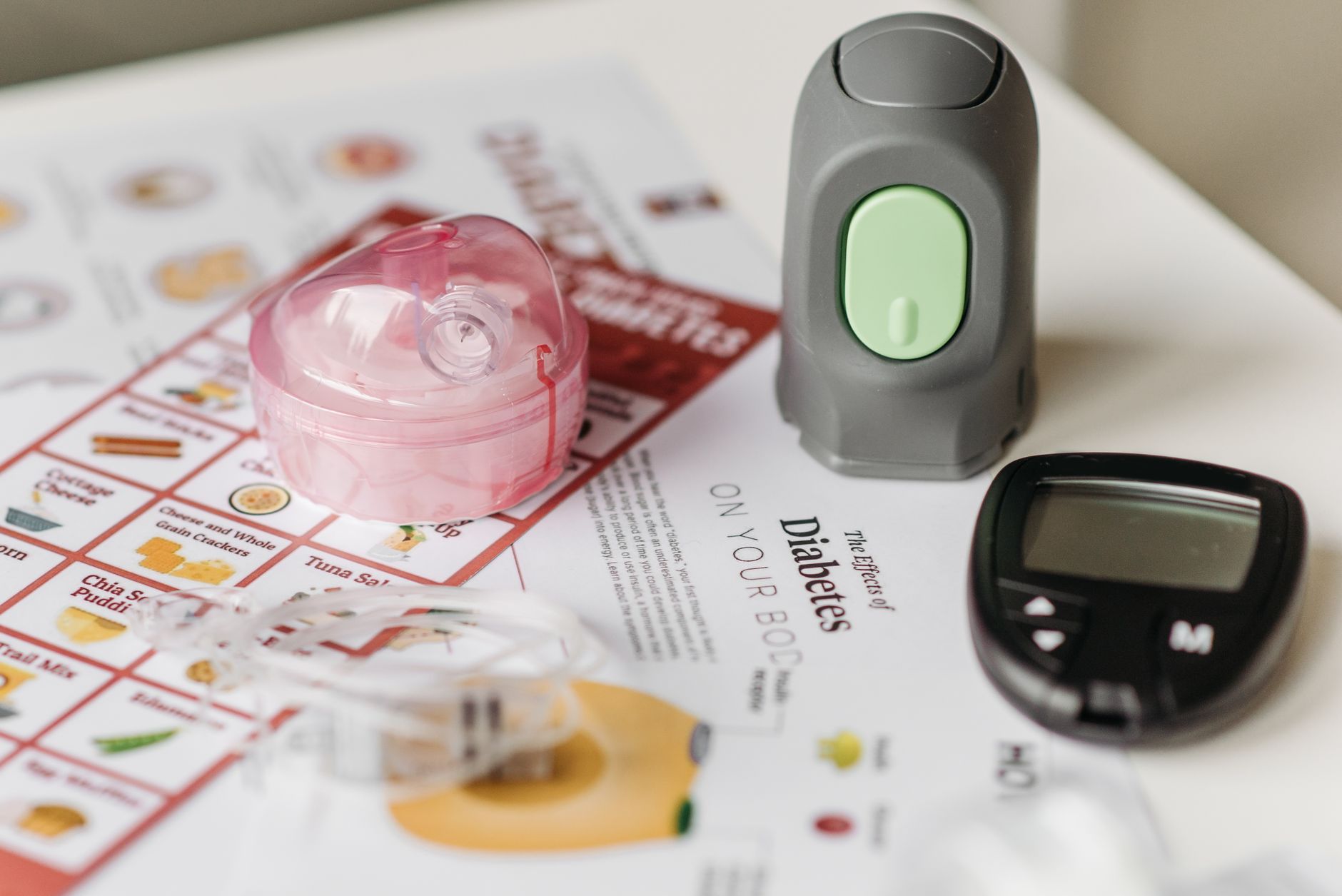
Face-to-face sessions win on accountability and on the questions nobody types into a search box. Watching a dietitian weigh 40 grams of dry pasta against the portion you would normally serve corrects estimation errors that no diagram fixes. Group energy also sustains new habits well past the final session.
Hybrid delivery is the pragmatic middle ground: one in-person morning to build rapport, followed by six weekly online check-ins of 30 minutes each. Ask providers for their attendance data before committing, because a course you finish always beats a better course you abandon in week two.
Choosing the format that suits your week
Shift workers and carers generally do better with asynchronous digital modules. People who live alone, or who find written material hard going, benefit far more from a room with other patients in it. If English is not your first language, request an interpreter early rather than defaulting to an online course.
Building Local Support Around Your Course
A course ends; the management continues for decades. Community pharmacies deliver finger-prick HbA1c checks, leisure centres run GP-referral gym schemes at around £3 a session, and parkrun offers a measured five kilometres every Saturday morning. Local noticeboards list all of it, usually beside a puppy french bulldog for sale card.
Daily movement is the single habit with the strongest effect on insulin sensitivity, and dog ownership reliably produces it. Households browsing a french bulldog puppy for sale uk listing, or a puppy french bulldog for sale uk advert, should match the breed’s stamina to the walking routine their clinician has actually recommended.
Breed choice genuinely changes the outcome. Flat-faced dogs overheat above 20°C and manage 15 minutes comfortably, while longer-muzzled breeds cover several miles without distress. Before responding to a puppy for sale french bulldog advert, consider whether that animal will support 150 minutes of weekly moderate activity or quietly undermine it.
- Budget: a french bulldog puppy price uk figure typically ranges from £1,500 to £3,500, and a blue french bulldog puppy for sale usually adds £500 or more for coat colour alone.
- Exercise fit: anyone answering an english bulldog puppy for sale near me or british bulldog puppy for sale near me advert should plan short, frequent walks rather than long routes.
- Stamina match: an american bulldog puppy for sale near me listing points to a dog that will happily cover five miles, suiting the brisker walks that lower post-meal glucose.
- Size and cost: a mini bulldog puppy for sale often carries the same brachycephalic health risks, with pet insurance starting near £35 monthly.
- Health checks: ask any puppy bulldog for sale near me seller for BOAS grading and hip scores before you arrange a viewing.
Fix the walk at a set time and it becomes the anchor for medication, testing and meals. Course attendees frequently report that a 40-minute post-dinner walk trimmed 8 to 12 mmol/mol from their HbA1c within four months, without any change to their prescription at all.
How do I get onto diabetes education programmes in the UK?
Start with your GP practice and ask specifically for a structured education referral, naming DESMOND, DAFNE or the local equivalent, because generic requests often stall at reception. Bring your most recent HbA1c figure with you. If nothing moves within four weeks, contact the diabetes specialist nurse at your nearest hospital trust, who typically holds separate booking slots. Many integrated care boards now accept self-referral through an online form requiring only an NHS number, postcode and diagnosis date. Digital courses need no referral at all and start immediately, which makes them a sensible placeholder while a face-to-face place comes through.
Is a free NHS course as good as a paid private one?
For most people, yes. NHS courses follow curricula quality assured against national criteria, taught by registered dietitians and diabetes specialist nurses with clinical governance behind them. Private courses costing £150 to £400 buy convenience, smaller groups and faster access rather than better evidence. The exception is highly individual problems: pump troubleshooting, competitive sport, pregnancy planning or unusual shift patterns, where an hour of one-to-one time at £70 to £120 resolves what a group session cannot. A sensible sequence is the free group course first, followed by targeted private input for whatever remains unresolved afterwards.
What should I bring to the first session?
Bring your glucose meter or sensor reader with at least two weeks of data, your repeat prescription list including doses and timings, and your last two HbA1c results. Add a written record of three typical days of eating, honestly recorded, since dietitians work from real patterns rather than ideals. Take a partner or family member along if food shopping and cooking are shared at home. Wear shoes that come off easily for foot checks, bring a water bottle, and write down the three questions that matter most to you, because group discussion fills the available time quickly.
