
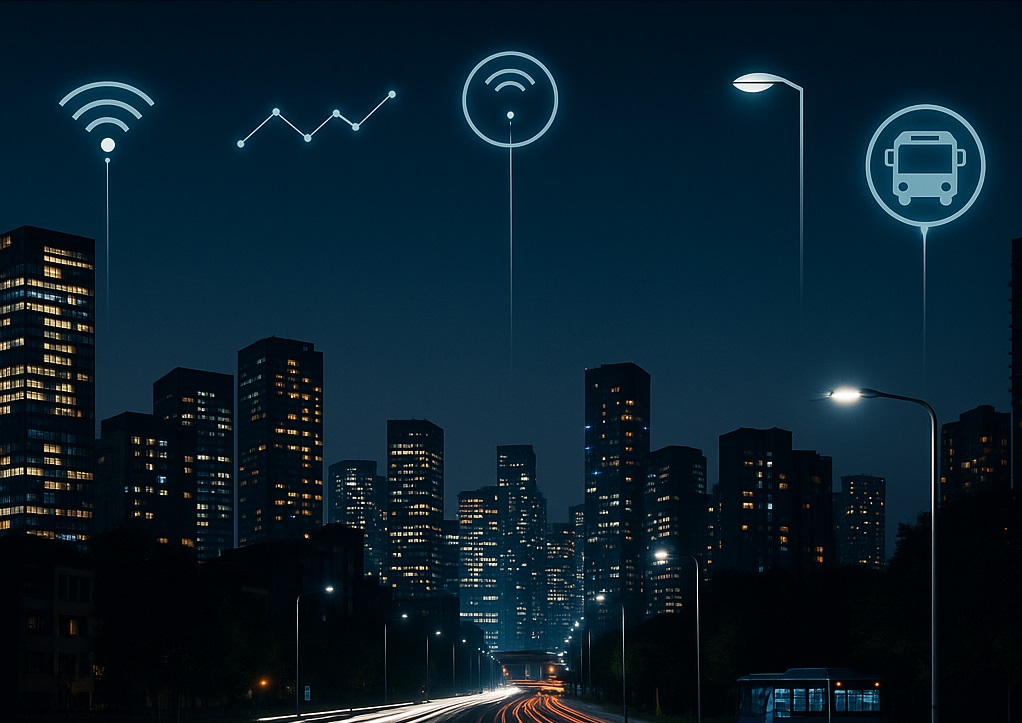
Smart cities are no longer just futuristic concepts or political slogans. They are becoming living, breathing ecosystems where technology and urban planning intersect to improve quality of life. With increasing urbanization, municipalities across the globe are shifting from experimental tech showcases to practical implementations that make everyday life more efficient, sustainable, and inclusive. The evolution of smart cities reflects a broader shift in how we understand progress — not as rapid innovation for innovation’s sake, but as thoughtful adaptation to real human needs.
Data-driven cities adapting to real-time challenges
As city populations grow, so does the need for intelligent systems that can handle the complexities of urban living. From traffic congestion to waste management, today’s urban challenges demand more than static planning. Cities like Copenhagen and Seoul have embraced data analytics to optimize public services, collecting real-time feedback from sensors and user devices to make precise, timely adjustments. Commuters benefit from smart transit systems that adjust routes and schedules dynamically, while emergency services are equipped with predictive tools to allocate resources more effectively. These innovations may operate behind the scenes, but their impact is deeply felt in smoother daily experiences for residents.
Infrastructure meets technology at street level
Smart city design is no longer confined to control rooms and data centers—it’s embedded in the very fabric of the city. Infrastructure is becoming intelligent, with bridges, roads, and buildings outfitted with sensors to monitor wear, temperature, and usage patterns. In Vienna, for example, pavement sensors detect ice formation and automatically trigger de-icing protocols, preventing accidents and reducing response times. Similarly, adaptive streetlights in cities like Los Angeles adjust brightness based on movement and natural light, cutting energy use without compromising public safety. These systems illustrate how technology, when grounded in practical needs, transforms infrastructure into proactive assets rather than passive utilities.
Citizen engagement as a core principle of innovation
One of the most significant shifts in the smart city movement is the recognition that people must be at the center of the transformation. Gone are the days of top-down tech rollouts with little public involvement. Today, many cities promote open-data platforms and participatory apps that invite residents to report issues, share feedback, and even co-design urban policies. In Amsterdam, the “City Data” portal allows developers and citizens alike to use municipal data for building apps and services that address local needs. This democratization of data ensures that technology evolves in tandem with community values and priorities.
Looking ahead: coherence over complexity
As smart city initiatives gain traction, the focus is shifting toward integration and usability. The future lies not in stacking countless digital layers, but in ensuring those layers communicate and support each other harmoniously. A truly smart city will be one where traffic systems talk to energy grids, where housing policy is informed by real-time climate data, and where technology doesn’t dominate urban life but subtly enhances it. Instead of emphasizing novelty, the next generation of urban innovation will prioritize coherence, sustainability, and long-term value for all stakeholders — especially the citizens who call these cities home.
