
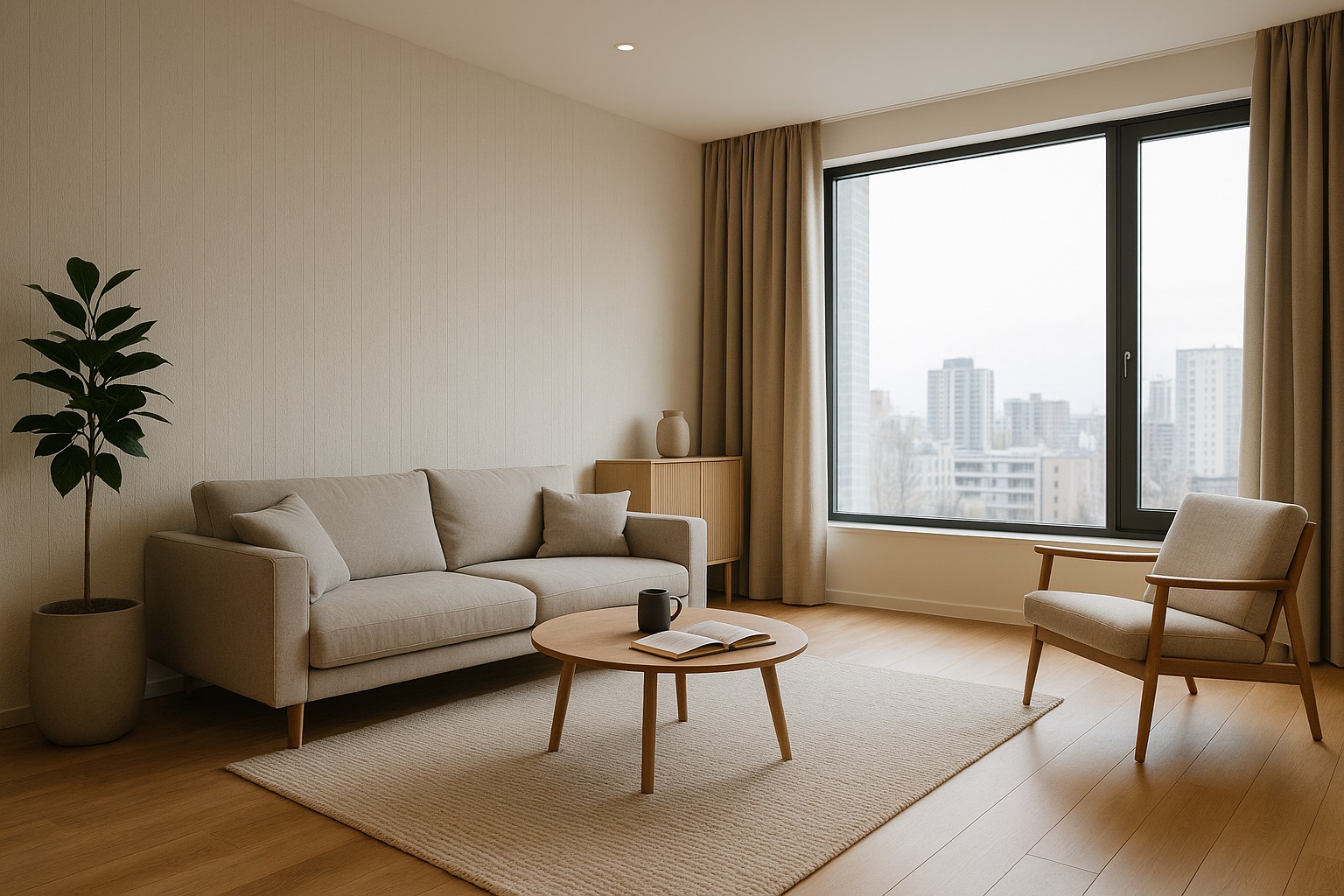
A new kind of urban luxury
As cities become more densely populated, noise pollution has emerged as one of the most underappreciated stressors in modern life. From traffic and construction to upstairs neighbors and 24/7 entertainment, urban noise infiltrates every corner of the typical apartment. In response, architects, developers, and wellness-oriented residents are embracing the quiet apartment movement — a growing push to design and retrofit living spaces that prioritize acoustic health. In this trend, silence is no longer seen as emptiness, but as a premium feature that promotes sleep, focus, and mental well-being.
Engineering for silence
Creating a truly quiet home in a city environment involves more than just thicker walls. Engineers now use a combination of sound-absorbing materials, floating floors, vibration isolation systems, and airtight windows to minimize both airborne and structural noise. Innovations like white noise ventilation systems, acoustic zoning within apartments, and triple-glazed smart glass are becoming increasingly common in new luxury developments. These features are not just technical upgrades — they’re part of a lifestyle shift that recognizes silence as an essential resource, not a decorative one.
Wellness, productivity, and resale value
A quieter living space offers immediate health benefits. Studies show that chronic exposure to urban noise contributes to elevated cortisol levels, poor sleep quality, and decreased cognitive function. For remote workers, sound insulation is directly tied to productivity and focus. And for families or elderly residents, quiet design can improve daily comfort and reduce long-term health risks. On the real estate side, acoustically optimized apartments are seeing higher demand and resale value — especially in global cities where calm is in short supply.
Sound as part of interior design
This movement also influences how interiors are styled. Natural materials like cork, wool, and acoustic felt panels are being used for both aesthetics and function. Soft textures, layered fabrics, and minimalist layouts help diffuse sound and reduce echo. Designers now work closely with acoustic consultants to create spaces that are not only beautiful, but acoustically balanced. As city dwellers search for sanctuary in their homes, silence is becoming as desirable as natural light or high ceilings — a feature that quietly defines modern urban luxury.
