
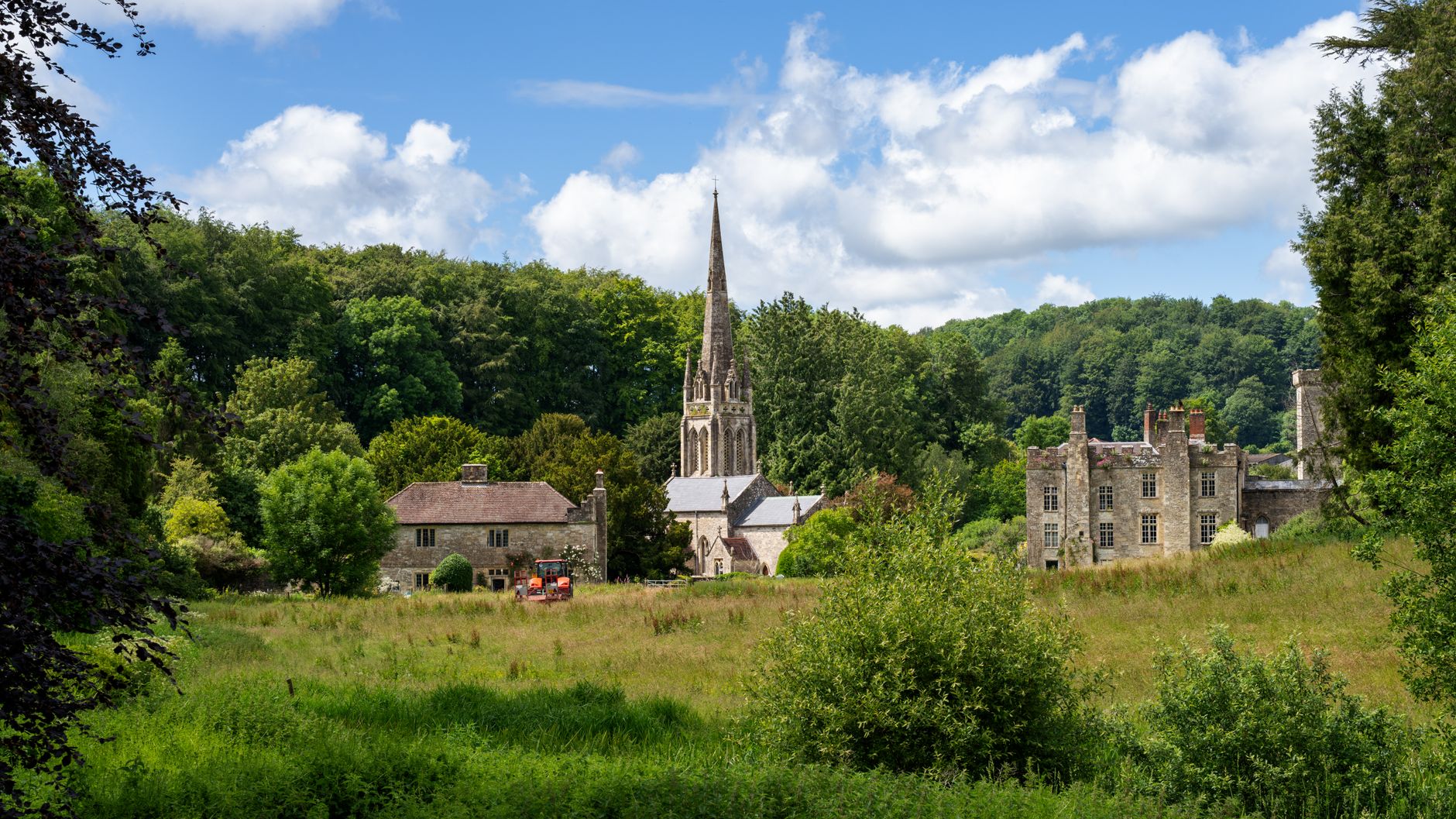
British Cultural Heritage Protection: A Practical Guide for Local Communities
British cultural heritage protection covers far more than cathedrals and castles – it reaches into parish halls, canal locks, dry stone walls and the living traditions that give a village its character. Effective british cultural heritage protection begins locally, with residents who notice when a Grade II milestone disappears or a 200-year-old hedgerow is grubbed out. Across the UK there are roughly 400,000 listed buildings, around 20,000 scheduled monuments and close to 10,000 conservation areas, yet only a small fraction of listed entries sit at Grade I. The remainder depend on ordinary owners making sensible decisions about lime mortar, sash windows and reclaimed slate. This guide sets out how designation works, what repairs realistically cost in pounds, which grants exist, and how intangible traditions – from morris sides to native breed stewardship – fit into the same framework. The aim is practical: fewer losses, better records, and buildings still in daily use a century from now.
How Listing and Designation Actually Work
Listing is a national decision taken by the Secretary of State on Historic England advice, and it applies to the whole building, including interiors, fixtures and often structures within the curtilage. Grade II accounts for roughly 92% of entries, Grade II* around 5.5%, and Grade I about 2.5% of the register.
Scheduled monuments follow a separate legislative route and cover archaeology rather than occupied structures. Wales, Scotland and Northern Ireland run their own systems through Cadw, Historic Environment Scotland and the Department for Communities, so a Welsh farmstead and a Cumbrian barn face genuinely different consent processes and different appeal rights.
Anyone can propose a listing. A well-evidenced application with dated photographs, tithe maps, census entries and a clear statement of special interest carries far more weight than a petition with 500 signatures. Assessment commonly takes six to twelve months, and an immediate threat can trigger a building preservation notice from the council.
What Heritage Repair Really Costs in Pounds
Owners carry the repair burden, and traditional materials cost more than modern substitutes for a sound technical reason: a solid wall needs to breathe. Cement pointing applied to soft handmade brick traps moisture and spalls the face within a decade, turning a £2,000 repointing job into a £15,000 rebuild of the outer skin.
Indicative Repair Ranges for Traditional Buildings
| Work | Indicative range | Practical note |
|---|---|---|
| Lime mortar repointing | £45-£90 per m2 | Rake out by hand, never with a disc cutter |
| Roof re-covering in reclaimed slate | £180-£320 per m2 | Salvage and re-lay sound slates first |
| Sash window repair | £450-£900 per window | Full replacement usually exceeds £1,200 |
| Oak frame splice repair | £600-£1,500 per joint | Scarf joints beat wholesale replacement |
| Heritage statement for consent | £1,500-£4,000 | Consent application itself is free |
Grants exist but remain competitive. The National Lottery Heritage Fund awards from £3,000 upward, county historic churches trusts support roof and window schemes, and some councils run shopfront improvement grants covering 50% to 75% of costs inside defined town centre boundaries. Applications generally require match funding and an accredited conservation professional.
VAT is the quiet killer. Repairs to listed buildings attract the standard rate while new build is zero-rated, which nudges owners toward replacement instead of careful repair. Approved alterations to listed places of worship can reclaim VAT through a dedicated grant scheme, and properties empty for two years may qualify for the reduced 5% rate.
Conservation Areas, Streetscape and Everyday Decisions
Conservation area status protects character rather than individual buildings. It removes many permitted development rights, so swapping timber windows for uPVC, rendering exposed brickwork or felling a tree above 75mm in diameter requires prior notice. A third of local authorities have not reappraised their areas within the last decade.
Cumulative small changes cause most of the loss. A street can retain every roof and chimney yet forfeit its identity through plastic fascias, tarmac laid over granite setts, oversized illuminated signage and wheelie bin stores in front gardens. Article 4 directions let councils claw back specific permitted development rights where erosion is documented.
Protection at this scale is mostly persuasion rather than prosecution. Parish councils that publish a short design guide with photographs of good and poor examples, plus a supplier list for lime, cast iron rainwater goods and reclaimed slate, consistently see better outcomes than those relying on enforcement notices alone.
Living Heritage: Native Breeds and Rural Tradition
Designation also touches living things: native livestock, local orchard cultivars and dog breeds developed for particular British landscapes and jobs. The Rare Breeds Survival Trust monitors more than 20 at-risk cattle, sheep and pony breeds, while several historic dog types record fewer than 300 annual Kennel Club registrations.
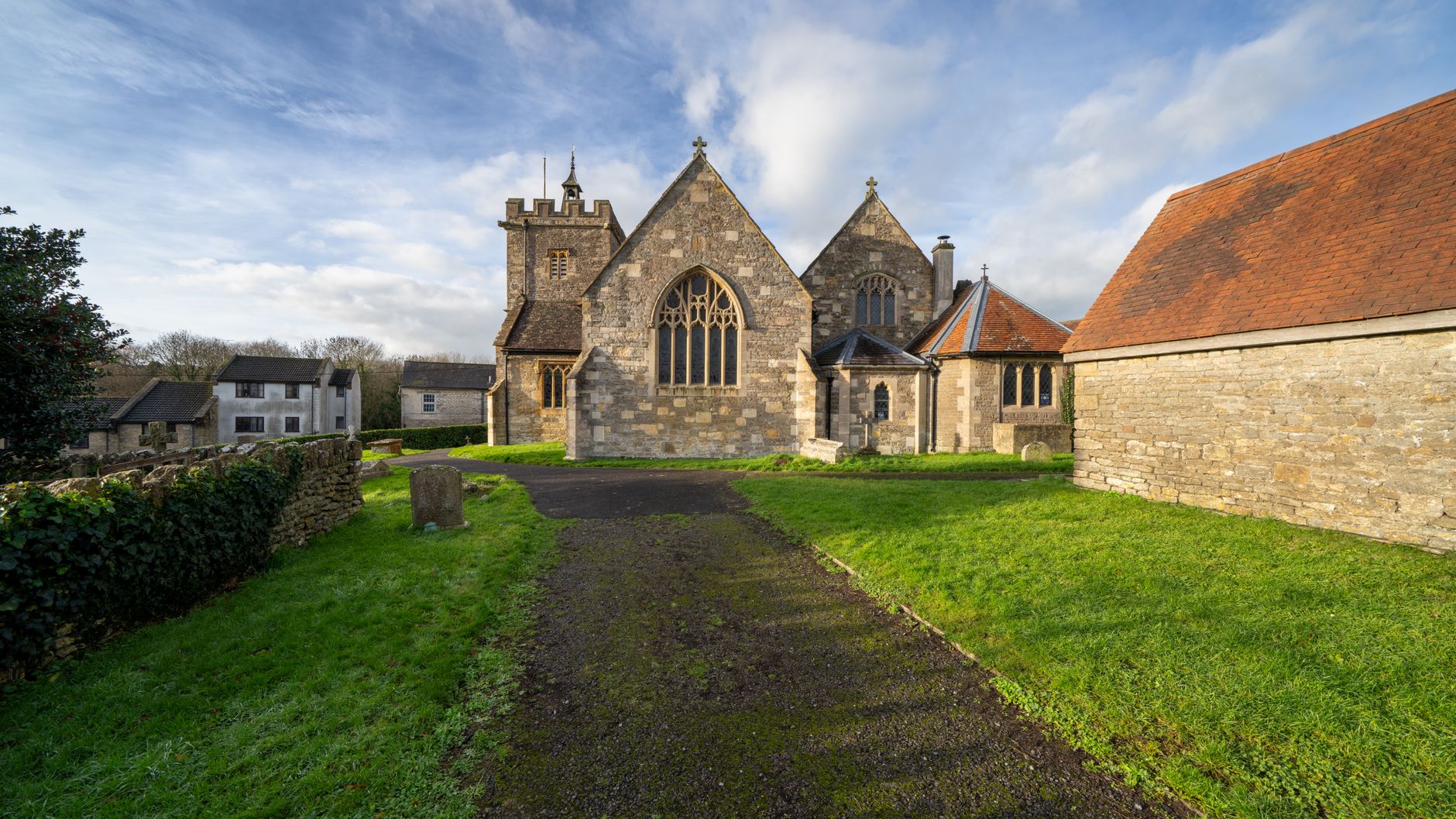
Commercial demand distorts that picture badly. Search volumes for a french bulldog puppy for sale dwarf interest in genuinely endangered natives such as the Sussex Spaniel or the Otterhound, and adverts phrased as puppy french bulldog for sale or puppy for sale french bulldog appear in their thousands across UK classified sites every month.
Regional searches tell the same story. Queries for french bulldog puppy for sale uk and puppy french bulldog for sale uk track fashion rather than heritage, while english bulldog puppy for sale near me and puppy bulldog for sale near me push buyers toward whichever litter is closest rather than whichever breeder keeps proper records.
Why the Bulldog Became National Shorthand
A search for a british bulldog puppy for sale near me is really a search for a national symbol, yet the historic Bulldog now sits on the vulnerable native breeds list. Novelty variants muddy the water further: a blue french bulldog puppy for sale commands a premium for a colour no breed standard recognises.
Price signals the imbalance clearly. A french bulldog puppy price uk commonly sits between £1,200 and £3,500, and a mini bulldog puppy for sale or an american bulldog puppy for sale near me can exceed that, while breeders sustaining native lines with full health testing often struggle to recover £900 in veterinary and registration outlay.
Archives, Oral History and the Digital Record
Buildings survive when their story is recorded. County record offices hold tithe apportionments, manorial rolls, auction particulars and school logbooks that establish dates and past uses; scanning a parish chest of 500 documents typically costs £600 to £1,500 commercially, and far less with volunteers and a flatbed scanner.
Oral history is the perishable part. Residents born before mains water reached the village remember field names, forge locations and flood lines that appear on no surviving map. A 90-minute recording, transcribed and deposited with the record office, costs almost nothing and answers questions planners will raise decades later.
- Dated exterior photographs of every elevation, retaken every five years
- Copies of listing entries, conservation area appraisals and Article 4 directions
- Scanned deeds, tithe maps and successive Ordnance Survey editions
- Transcribed interviews with residents over 70, with signed consent forms
- A running repair log recording materials, contractors and costs
Sustained british cultural heritage protection depends entirely on this evidence base. When a committee weighs an application against significance, a dated photographic survey, a measured sketch and three witness statements carry weight that sentiment never will. Store copies in two locations and keep files in open, non-proprietary formats.
How Do I Check Whether a Building Near Me Is Protected?
Start with the National Heritage List for England, a free public database of listed buildings, scheduled monuments, registered parks and protected wreck sites, searchable by postcode and map. Scotland, Wales and Northern Ireland maintain equivalent registers. Then check the local planning authority policy map for conservation area boundaries, Article 4 directions, tree preservation orders and any local list of non-designated assets. Local lists carry no statutory force but remain a material planning consideration. If the property sits inside a conservation area, permitted development rights are already reduced, and demolishing anything over 115 cubic metres needs consent. A ten-minute check before ordering replacement windows can save years of enforcement correspondence.
Is British Cultural Heritage Protection Only About Old Buildings?
No. Designation covers landscapes, archaeology, historic parks, battlefields, industrial machinery and vessels, and the framework increasingly recognises intangible heritage: dialect, seasonal customs, craft skills and native breed stewardship. A wheelwright, a thatcher and a lime plasterer are as much heritage assets as the fabric they maintain, and the Heritage Crafts red list classes several trades as critically endangered with fewer than ten active practitioners. Post-war architecture qualifies too, since buildings become eligible once they pass thirty years, and exceptional examples sooner. Protection extends to living traditions sustained by local groups, from bell ringing bands to commoners grazing rights on registered common land.
What Does Looking After a Listed Cottage Cost Each Year?
Budget 1% to 2% of rebuild value annually for planned maintenance, so a £350,000 rebuild figure implies roughly £3,500 to £7,000 a year. That covers gutter clearing twice annually, small-section lime repointing, timber treatment, chimney sweeping and a five-yearly roof inspection from a tower scaffold. Deferred maintenance is the expensive path: a blocked valley gutter ignored for three winters turns a £200 clearance into a £12,000 rafter and plate repair. Specialist insurance runs 20% to 40% above standard cover because reinstatement must match original materials. Consent applications carry no fee, though a consultant heritage statement typically costs £1,500 to £4,000.
